
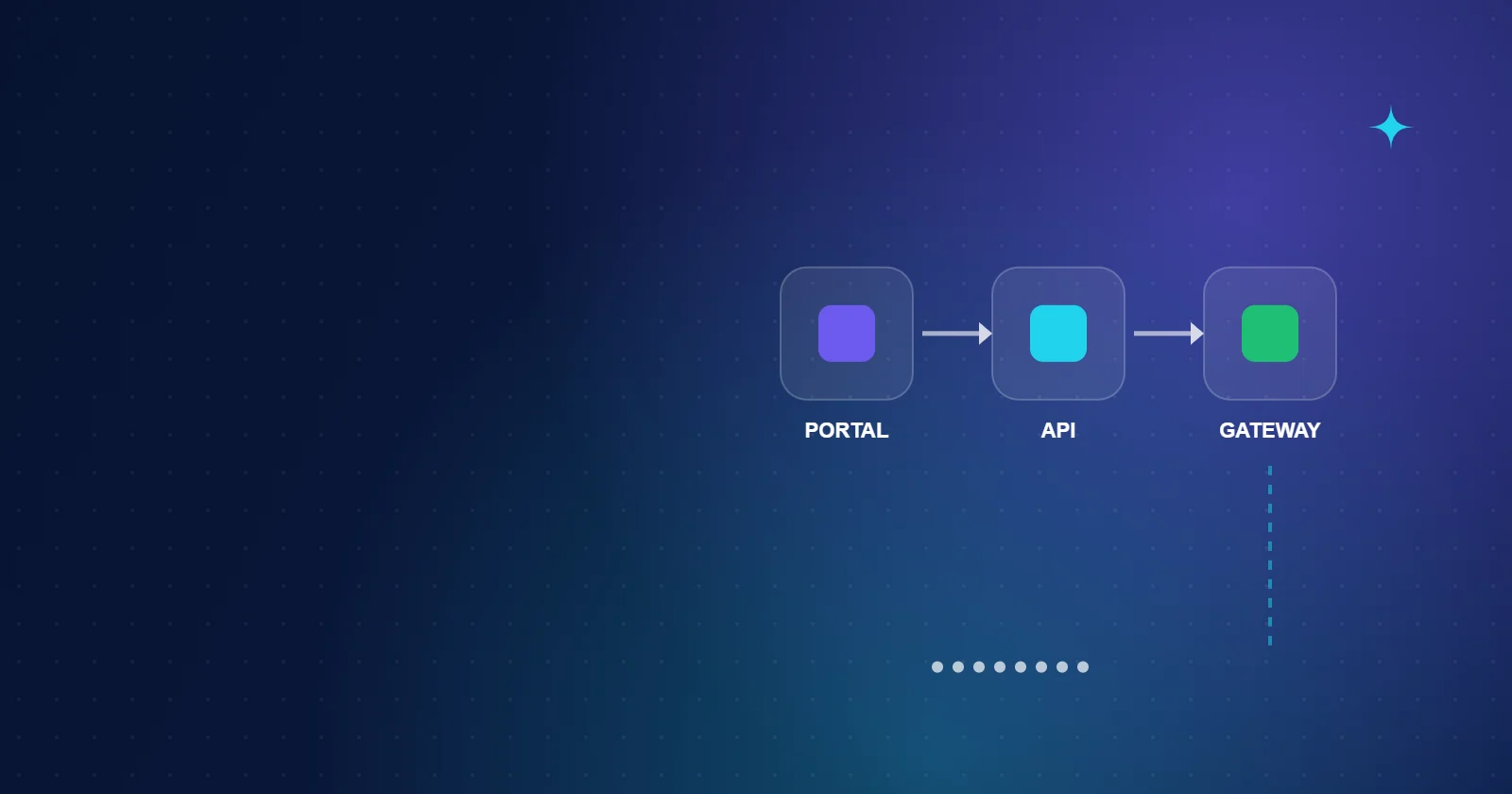
Short answer: a bulk SMS portal is a web dashboard for sending campaigns manually, an SMS API lets your software send messages automatically, and an SMS gateway is the connection to the mobile operators that both use. Most Sri Lankan businesses need a portal for campaigns plus an API for OTPs and system alerts, from one provider.
Updated 25 October 2026.
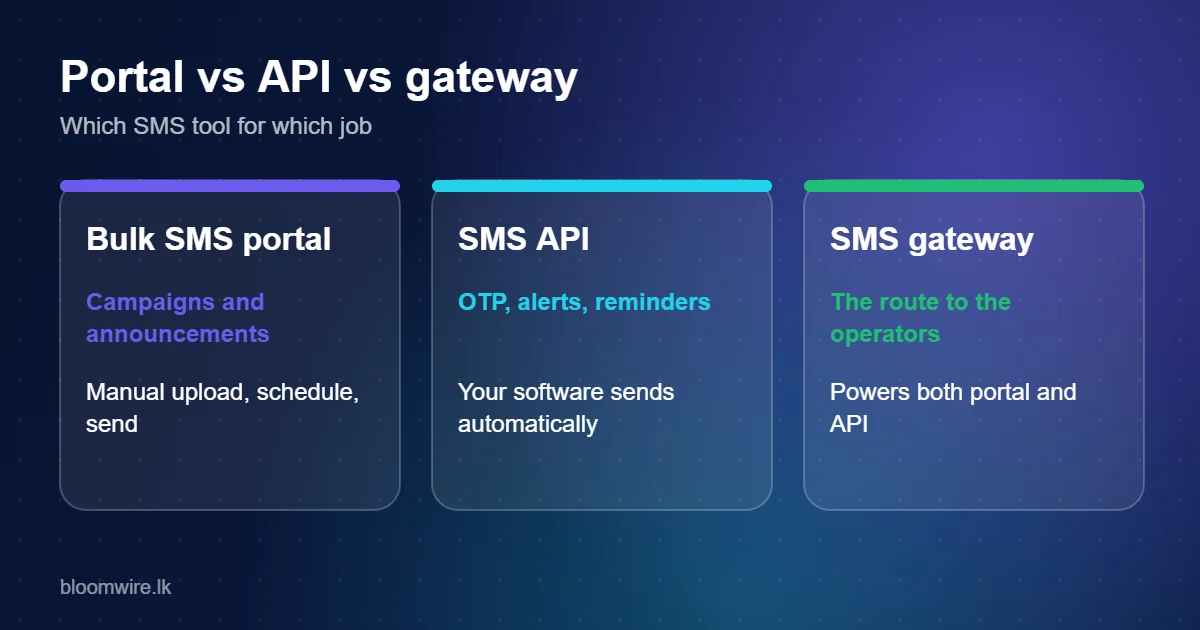
The three terms, explained
| Term | What it is | Best for |
|---|---|---|
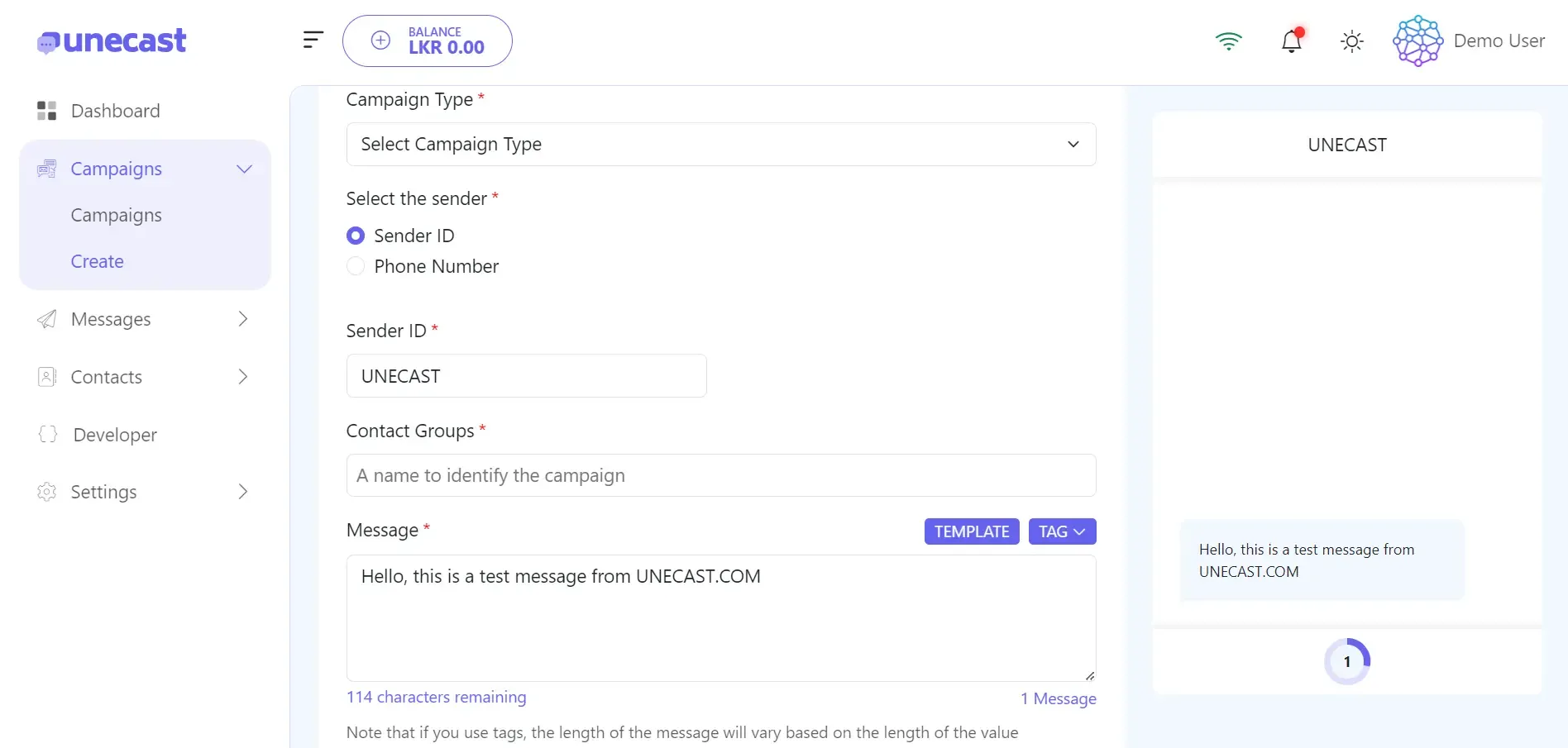
| Bulk SMS portal | Web app to upload contacts, write a message and send or schedule | Marketing campaigns, announcements |
| SMS API | HTTP or SMPP interface your application calls to send and track messages | OTP, order and payment alerts, reminders from your own systems |
| SMS gateway | The platform that routes messages to operators and returns delivery reports | The underlying service behind both of the above |
When to use which
- Run a festive offer to opted-in customers: bulk SMS portal.
- Send a login code the moment a user signs in: SMS API, on a transactional route.
- Notify customers when an order ships: API connected to your e-commerce or ERP.
- Integrate with WooCommerce, CRM or core banking: API with webhooks. See how we helped with SMS API integration for WooCommerce.
What to check before you buy
- Routes: separate transactional and promotional routes, with sender ID registration on the major networks.
- Delivery reports: real handset delivery receipts, not just "accepted by gateway".
- Throughput: messages per second during peaks such as OTP spikes or sale launches.
- Failover: automatic rerouting if one path has problems.
- Security: API keys, IP allow-lists and encryption in transit.
- Unicode support: reliable Sinhala and Tamil delivery.
- Pricing clarity: per-SMS price by route and volume, minimum commitments and expiry of prepaid credit.
- Support: response times and an escalation path when delivery issues occur.
OTP best practices
- Use a registered transactional sender ID, because some networks restrict promotional traffic.
- Keep codes short-lived (a few minutes) and single-use.
- Rate-limit requests per number to prevent abuse and cost spikes.
- Offer a fallback channel such as WhatsApp authentication messages (about US$0.002 per message to Sri Lanka as of October 2026).
SMS or WhatsApp?
SMS works on every phone and needs no internet connection. WhatsApp supports rich media, buttons and two-way conversations. Use SMS for universal reach and critical alerts, WhatsApp for engagement and support. Read our WhatsApp Business API overview to see where each fits.
Frequently asked questions
What is an SMS gateway?
An SMS gateway is a service that connects your software or dashboard to mobile networks so you can send and receive text messages at scale.
What is the difference between an SMS gateway and an SMS API?
The API is the interface your software uses; the gateway is the system behind it that routes to operators. Providers usually offer both together.
How much does an SMS gateway cost in Sri Lanka?
Prices depend on route (transactional or promotional), volume and provider. Ask for per-SMS rates by route and check for setup fees and credit expiry.
Can I integrate SMS with my website or app?
Yes. A standard HTTP API with webhooks lets you send OTPs and alerts and receive delivery reports automatically.
Do I need different sender IDs for OTP and promotions?
Often yes. Keep transactional and promotional traffic separate, because operators treat them differently.
Related reading
- Bulk SMS in Sri Lanka: the 2026 guide to sender IDs, rules and choosing a provider
- How to get the WhatsApp Business API in Sri Lanka: step-by-step guide (2026)
Talk to Bloomwire: explore our Bulk SMS gateway and API or contact our team for sender ID registration help and a quote.